The views expressed here reflect personal observations from decades in the field and are for informational purposes only. They do not constitute financial, investment, or professional advice. Every property and situation is unique, consult a qualified professional for guidance specific to your circumstances.
Here's something that bothers me about my own profession: we call them "comparable sales." The entire appraisal industry is built on the idea that you can determine what a home is worth by looking at what similar homes have sold for recently. It's a reasonable premise. It's also, in a lot of important ways, a myth.
Not because the method is wrong. It's the best tool we have. But because the word "comparable" does a lot of heavy lifting, and most people, including a lot of appraisers, don't think hard enough about what it actually means.
No two homes are the same
I've appraised two homes on the same block, built the same year, with the same floor plan. Same square footage. Same lot size. Same number of bedrooms and bathrooms. On paper, they're identical. In reality, one sold for $60,000 more than the other.
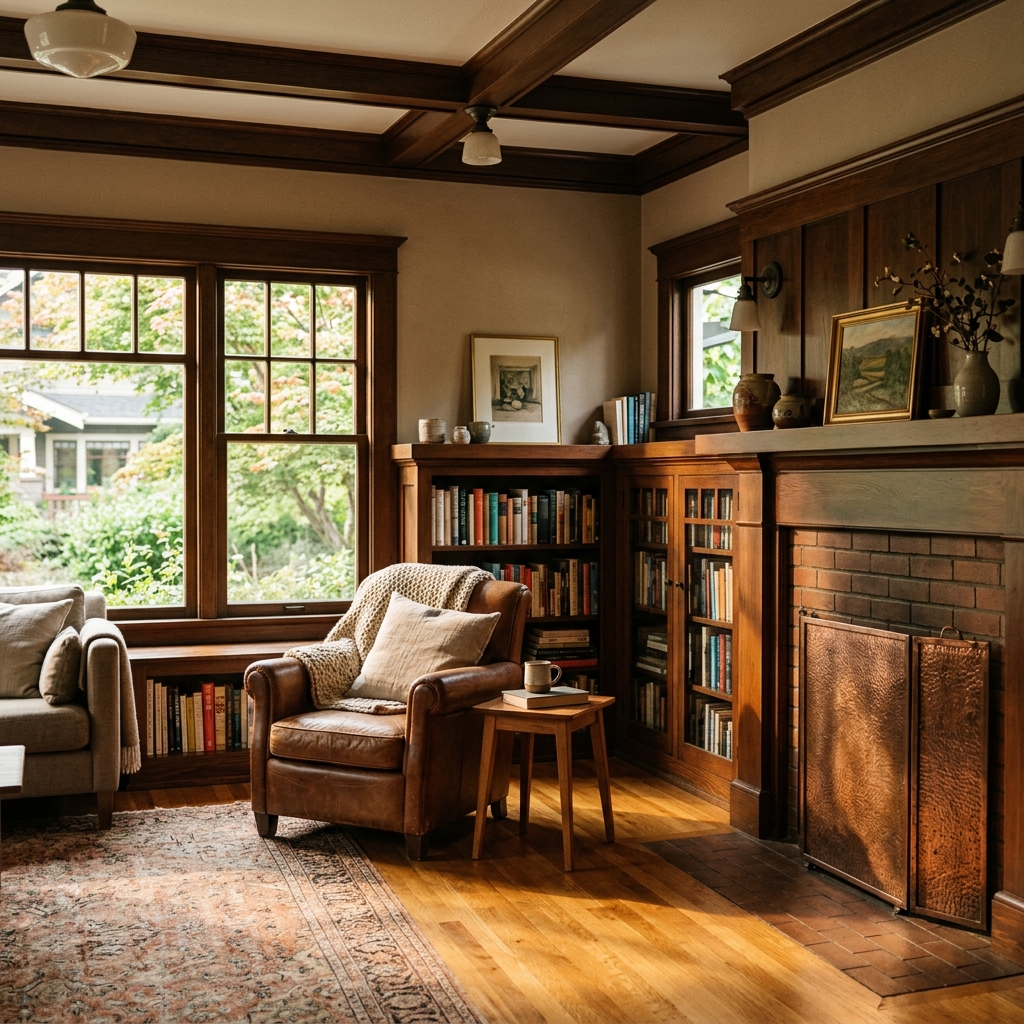
Why? Because one of them had been maintained by someone who cared. Original fir floors refinished. Kitchen updated with materials that respected the home's character. The yard was mature and intentional, not just mowed, but curated. The other home had deferred maintenance, dated fixtures, and a yard that said "we live here but we're not really paying attention."
The spreadsheet says these homes are comparable. My eyes say they're not even close.
"A comp tells you what the market paid for a different house, on a different day, under different circumstances. It's a starting point, not an answer."
What the algorithm misses
This is why Zillow gets it wrong so often. Automated valuation models look at data points: bedrooms, bathrooms, square footage, lot size, year built, recent sales nearby. They're very good at processing this information quickly. They're terrible at understanding what it means.
An AVM doesn't know that the kitchen remodel used custom tile from a local craftsman. It doesn't know that the original built-in cabinetry was restored rather than replaced. It doesn't know that the homeowner spent three weekends a year for the last decade training climbing roses along the front porch.
These things don't show up in the data. But they show up in the offer price. Every single time.
What good appraisers actually do
The best appraisers understand that a comparable sale is a reference point, not a verdict. Our job isn't to find three houses that match on a spreadsheet and average the prices. Our job is to understand why those houses sold for what they did, and then to explain how the subject property is different.
That's the part that requires judgment. Experience. Time in the field. You can't automate it, because it depends on things that can't be measured: the feel of a neighborhood, the quality of light in a living room, the sense that someone poured themselves into this place.
I've been doing this for thirty years, and I still learn something new on almost every appraisal. That's not a sign that the method is broken. It's a sign that houses are more complex than any model can capture, and that the people who live in them are even more complex than that.
What this means for homeowners
If you're thinking about selling, or refinancing, or just trying to understand what your home is worth, don't start with Zillow. Start with your own eyes. Walk through your home the way a stranger would. What story does it tell? Is it coherent? Is it compelling?
The comps will set the range. But where you land within that range, top, middle, or bottom, is determined by the decisions you've made and the story those decisions tell.