The views expressed here reflect personal observations from decades in the field and are for informational purposes only. They do not constitute financial, investment, or professional advice. Every property and situation is unique, consult a qualified professional for guidance specific to your circumstances.
After thirty years of appraising homes in Portland, I've walked up to more front doors than I can count. Thousands of them. Thousands of first impressions. Thousands of moments where the house tells me something before anyone says a word.
Here's what I've learned.
The front door is a thesis statement
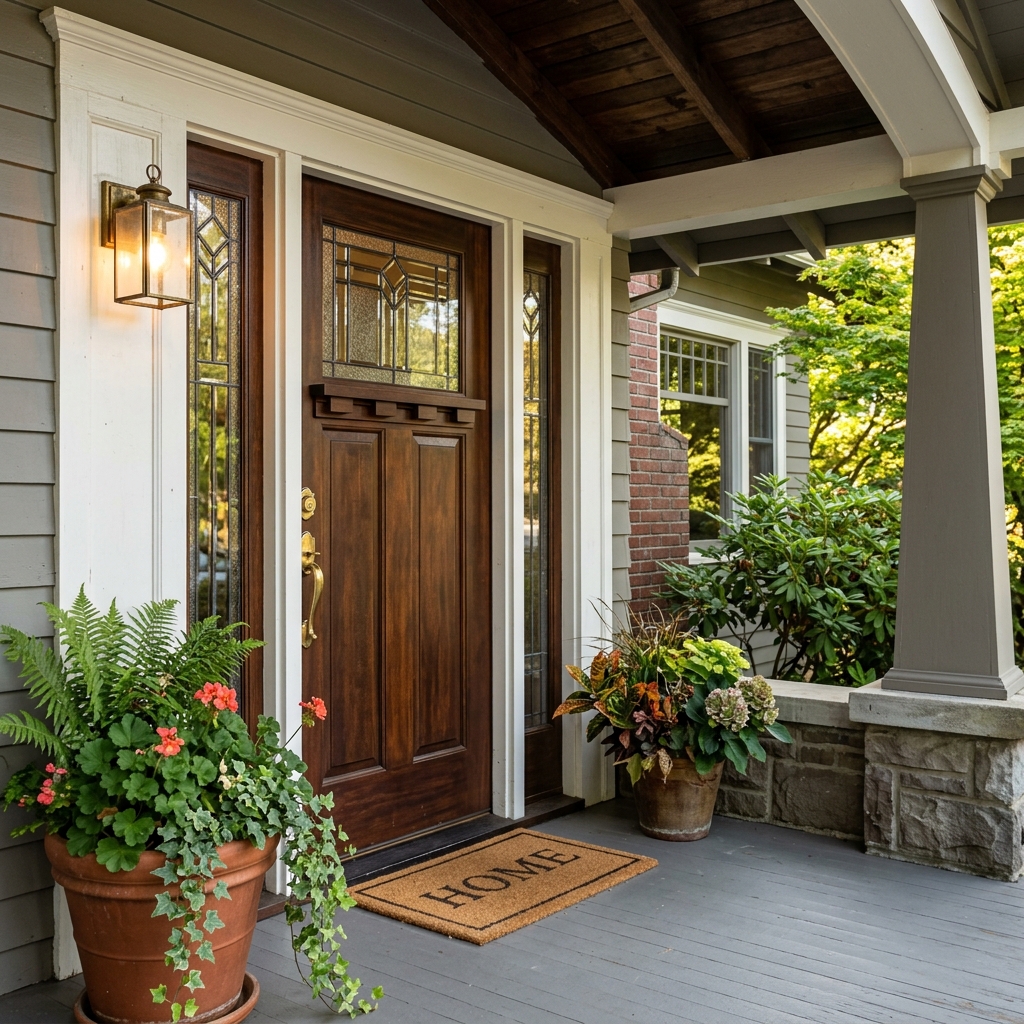
Before I step inside, the front door tells me what I'm going to find. It's uncanny how reliable this is. A solid wood door with quality hardware, clean glass, maybe a seasonal wreath, I know the inside is going to be maintained. A hollow-core door with a sticky deadbolt and a faded "Welcome" mat that hasn't been welcome in years, I adjust my expectations accordingly.
This isn't about judging people. It's about reading signals. The front door is the first decision a homeowner presents to the world, and decisions reveal priorities.
The three-second rule
I can tell you within three seconds of walking into a house whether the homeowner is someone who pays attention. Not whether they're wealthy, wealth and attention are different things entirely. Some of the most well-maintained homes I've appraised belonged to schoolteachers and retired postal workers. Some of the most neglected belonged to people who could afford to fix everything and chose not to.
What you're looking for in those first three seconds is coherence. Do the elements of the entry work together? Is there a sense that someone thought about how this space feels, or does it look like decisions were made randomly over the course of decades with no unifying vision?
"The most expensive upgrades I've seen don't add value if they contradict the house. And the simplest repairs can add thousands if they tell the right story."
The smell test
Nobody talks about this, but I'm going to: houses have a smell, and it matters more than most people think. A house that smells clean, not aggressively clean, not drowning in air freshener, just genuinely clean, creates an immediate sense of care. A house that smells like pets, or mildew, or last Tuesday's dinner, creates the opposite.
I can't put a dollar amount on smell in an appraisal report. But I can tell you that buyers notice it, agents notice it, and it absolutely affects how people perceive value. The homeowners who understand this tend to be the same ones who understand everything else about presentation.
What the yard says
In Portland, the yard is a character in the story. We have the climate for it, mild, wet, generous to anyone willing to plant something and wait. The homes with the highest appraisals tend to have yards that look tended rather than maintained. There's a difference. Maintained means the lawn is mowed and the leaves are raked. Tended means someone chose plants that work together, trained them over time, and actually enjoys the process.
The best-valued homes I've appraised in thirty years share this trait: they feel cared for at a level that goes beyond obligation. The owners weren't maintaining their property because they had to. They were investing in it because they wanted to. And that distinction, between obligation and desire, shows up in every room, every corner, and ultimately, every dollar of value.